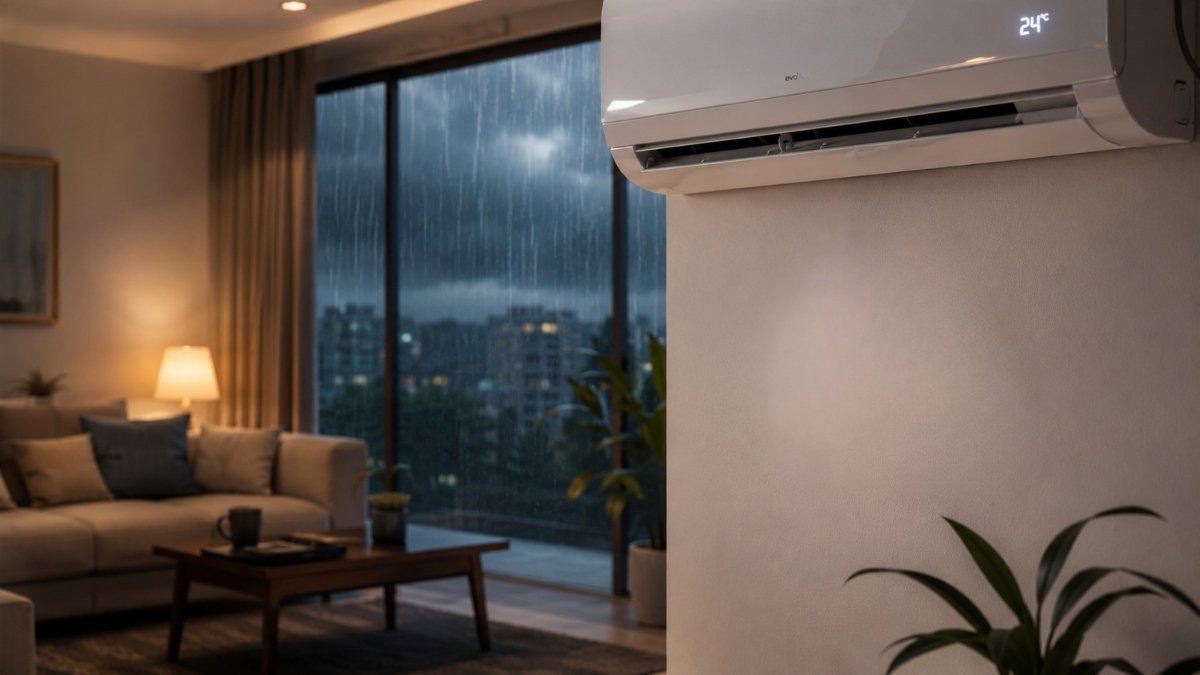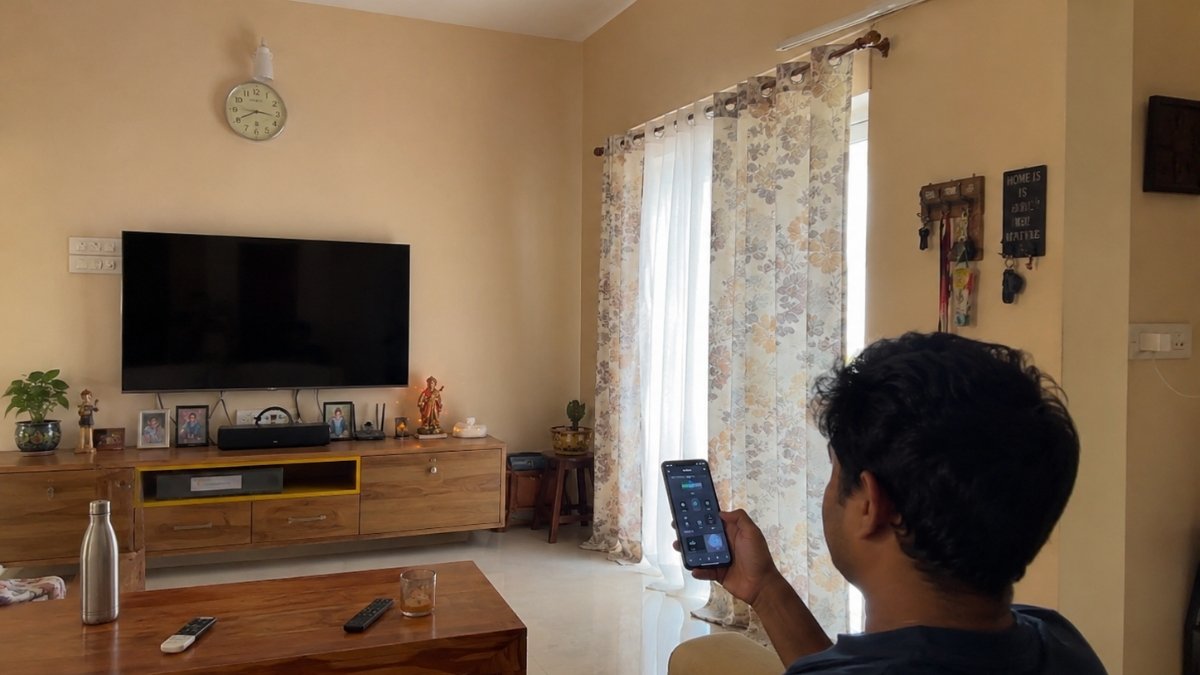
A couple of years back, I remember visiting a friend’s new apartment. Nothing looked “futuristic” at first. Same sofa, same lights, same setup. But then he casually picked up his phone, tapped something, and the lights dimmed, the curtains closed, and the AC adjusted on its own. That’s when it hit me, Smart Automation Solutions
A couple of years back, I remember visiting a friend’s new apartment. Nothing looked “futuristic” at first. Same sofa, same lights, same setup. But then he casually picked up his phone, tapped something, and the lights dimmed, the curtains closed, and the AC adjusted on its own.
That’s when it hit me, Smart Automation Solutions aren’t flashy anymore. They’re quietly becoming normal.
And honestly, once you get used to it, going back feels… inconvenient.
It Starts Small in Homes
Most people don’t jump straight into a fully automated house. It usually begins with one thing, maybe a smart bulb or a voice-controlled speaker.
Then slowly, it builds.
You add a few more devices. Maybe a smart plug. Then a security camera. Before you know it, you’re using home automation systems without even thinking about it.
The biggest change isn’t the technology itself, it’s the habit.
You stop worrying about small things.
“Did I turn off the light?”
“Did I lock the door?”
With smart home technology, you just check your phone and move on.
It’s Not Just About Laziness (Honestly)
At first, I thought all this automation stuff was just about convenience. Press a button, save a few steps, that’s it.
But there’s more to it.
Take electricity usage, for example. Most of us don’t realize how much energy is wasted daily. Fans running in empty rooms, lights left on, ACs working harder than they should.
This is where Smart Automation Solutions actually make sense.
Automated systems can switch things off when no one’s around. Some setups even learn your routine and adjust accordingly. It’s not perfect, but over time, you do notice the difference in your electricity bill.
And in places like India, that matters.
Security Feels Different Now
Let’s be real, traditional security systems have always had a gap.
They alert you after something happens.
But with smart security systems, it feels more active. You get real-time notifications. You can check live footage anytime. Some systems even alert you if something unusual is detected, not just movement, but suspicious movement.
That shift changes how people think about safety.
For many homeowners, automation solutions for homes aren’t just about comfort anymore; they’re about peace of mind.
Meanwhile, Industries Are Moving Faster
While homes are slowly adapting, industries didn’t take it slow at all.
They went all in.
Walk into a modern factory today, and you’ll see machines doing what entire teams used to handle. That’s the impact of industrial automation solutions.
And it’s not just about replacing people, it’s about improving how things work.
Less Error, More Consistency
Humans make mistakes. It’s normal.
Machines? Not so much, at least not in the same way.
With automation in manufacturing, tasks are done the same way every single time. That consistency is a big deal, especially in industries where precision matters.
Time Actually Becomes Money
We’ve all heard that phrase, but automation makes it real.
Processes that used to take hours now take minutes. Sometimes seconds.
For businesses using smart automation systems, that speed directly impacts output, delivery time, and overall profit.
Data Changes Everything
This part doesn’t get talked about enough.
Modern automation systems collect data constantly. Performance, errors, efficiency, everything gets tracked.
With IoT-enabled automation, businesses aren’t guessing anymore. They’re making decisions based on actual numbers.
And that’s a huge shift from how things used to work.
The Same Idea, Different Scale
What’s interesting is how similar the core idea is, whether it’s a house or a factory.
A sensor detects something.
A system processes it.
An action happens.
That’s it.
The scale is different, but the logic behind Smart Automation Solutions stays the same. That’s probably why this technology is spreading so fast; it fits almost anywhere.
But Yeah, It’s Not Perfect
It would be nice to say automation solves everything. It doesn’t.
The Cost Can Be a Turn-Off
For many people, the first reaction is: “This sounds expensive.”
And they’re not wrong.
Setting up proper automation solutions, especially for industries, can cost a lot upfront. Even for homes, a full setup isn’t exactly cheap.
But over time, most users feel it balances out through savings and efficiency.
There’s a Bit of a Learning Curve
Not everyone is comfortable controlling things through apps or voice commands.
Some people still prefer switches. And honestly, that’s fair.
But as smart automation systems become simpler to use, this gap is slowly reducing.
And Then There’s Security
The more connected things become, the more careful you need to be.
Any device connected to the internet has some level of risk. That’s why choosing reliable systems and keeping them updated isn’t optional anymore.
Where This Is All Heading
If you look at how things are going, it’s pretty clear,Smart Automation Solutions are not slowing down.
They’re getting smarter.
Homes will probably start predicting what you need instead of waiting for commands. Industries will rely even more on automation for decision-making, not just execution.
It sounds a bit futuristic, but parts of it are already happening.
So, What’s the Big Deal?
Honestly, it comes down to this:
We’re moving from manual effort to smart systems.
In homes, that means less worrying about small things and more control over your space.
In industries, it means faster processes, fewer errors, and better decisions.
That’s why smart home automation and industrial automation systems are gaining so much attention right now.
Not because they look cool, but because they actually make life and work easier.
Final Thought
If you had asked someone ten years ago about living in an automated home or running a partially automated factory, it would’ve sounded unrealistic.
Today, it’s slowly becoming standard.
And the interesting part? Most people don’t even realize how much they’ve already started depending on it.
That’s the real impact of Smart Automation Solutions, they blend in so well, you stop noticing them… until they’re not there.