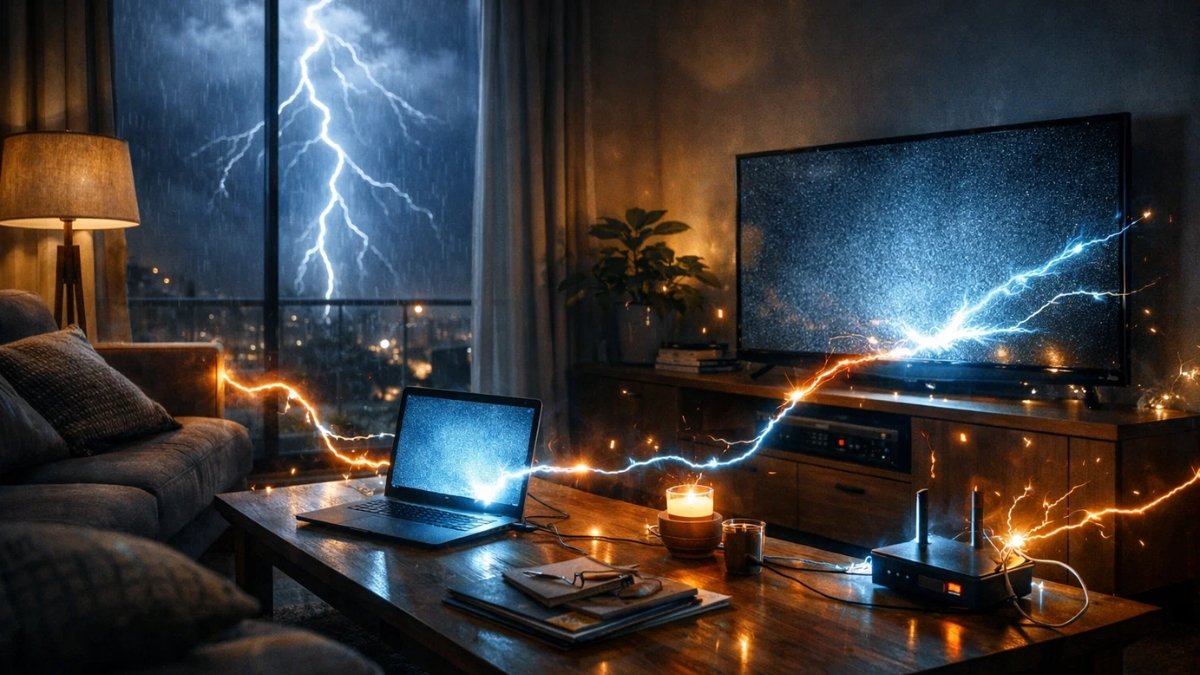
There’s a moment most of us have experienced, but rarely talk about. The lights flicker for just a second. Maybe the fan slows down and picks back up. Your TV blinks off and on. You pause… and then carry on as if nothing happened. But behind that tiny flicker could be something much bigger: a
There’s a moment most of us have experienced, but rarely talk about. The lights flicker for just a second. Maybe the fan slows down and picks back up. Your TV blinks off and on. You pause… and then carry on as if nothing happened.
But behind that tiny flicker could be something much bigger: a power spike that quietly stresses your electronics.
I learned this the hard way a couple of years ago when my Wi-Fi router suddenly stopped working after a storm. No warning, no dramatic “boom.” Just dead. That’s when I realized how important proper Power Protection really is, not just for expensive gadgets, but for everything we rely on daily.
Let’s talk about what actually happens during a power spike, and more importantly, how you can protect your home without overcomplicating things.
What Exactly Is a Power Spike?
In simple terms, a power spike (or surge) is a sudden increase in electrical voltage. It can last less than a second, but that’s more than enough to damage sensitive electronics.
Common causes include:
- Lightning strikes (even if they’re far away)
- Power outages and sudden restorations
- Faulty wiring or overloaded circuits
- Heavy appliances like refrigerators or AC units switching on/off
The tricky part? Most of these surges are invisible. You don’t always notice them happening, but your devices do.
Over time, these small spikes can slowly degrade internal components, shortening the lifespan of your TV, laptop, or even your washing machine.
Why Modern Homes Are More Vulnerable
Back in the day, homes mostly had basic appliances, fans, lights, and maybe a fridge. Today, we’re surrounded by electronics:
- Smart TVs
- Wi-Fi routers
- Laptops and desktops
- Smart home devices
- Kitchen appliances with digital panels
All of these rely on delicate circuits. Even a slight voltage fluctuation can affect performance.
That’s why having a proper power surge protector isn’t just “nice to have” anymore; it’s essential.
The First Line of Defense: Surge Protectors
If you walk into any electronics store, you’ll find extension boards labeled as “surge protectors.” But here’s the truth: not all of them actually protect you.
A genuine Surge Protector is designed to divert excess voltage away from your devices. Think of it like a shock absorber for electricity.
What to Look For:
- Joule rating: Higher means better protection
- Indicator lights: Show if protection is active
- Multiple sockets: Useful for TV setups or workstations
I personally started using one for my TV and router setup, and it gave me peace of mind, especially during rainy seasons when power fluctuations are more common.
Going a Step Further: Whole-Home Protection
While plug-in devices are helpful, they only protect what’s connected to them. What about your refrigerator? Your washing machine? Your inverter?
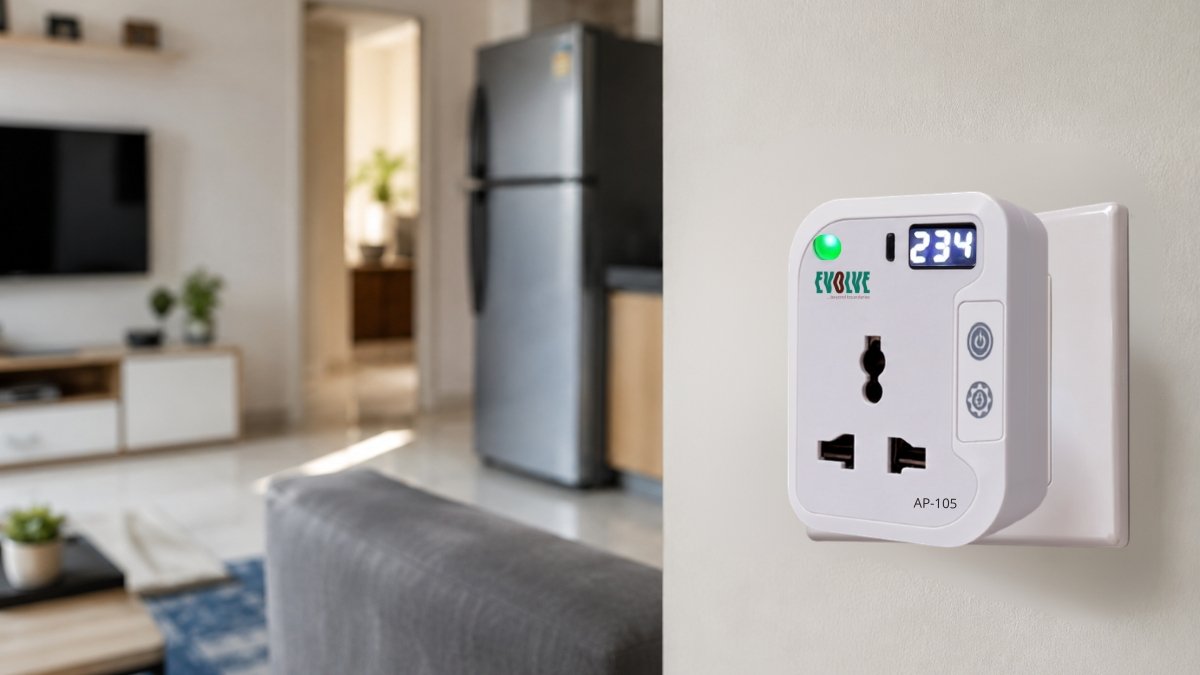
This is where a Voltage protector comes into play.
Unlike basic surge protectors, these devices monitor incoming voltage levels continuously. If the voltage goes too high or too low, they automatically cut off the power supply, preventing damage.
For Indian homes, where voltage fluctuations aren’t uncommon, a home voltage protector can be a real game-changer.
Real-Life Scenarios (You Might Relate To)
Let’s make this practical.
1. Sudden Power Cut During Rain
You’re watching TV, and the power goes out. A few seconds later, it comes back with a slight flicker.
That “comeback” is often when a surge happens.
Without a power surge protector, your TV’s internal board could take a hit, even if it keeps working for now.
2. AC Compressor Switching On
Air conditioners draw a lot of power. When the compressor kicks in, it can cause small voltage fluctuations in your home.
These may not seem serious, but repeated exposure can affect other devices on the same circuit.
3. Old Wiring in Apartments
Many homes still have aging electrical systems. Loose connections or outdated wiring can cause irregular voltage flow.
In such cases, relying only on luck isn’t enough; this is where proper Power Protection becomes essential.
Simple Steps You Can Take Today
You don’t need a complete electrical overhaul to stay protected. A few small steps can make a big difference.
1. Use Surge Protectors for Key Devices
Start with:
- TV
- Computer/laptop
- Wi-Fi router
A good Surge Protector here can prevent immediate damage.
2. Install a Voltage Protector for Heavy Appliances
Focus on:
- Refrigerator
- Air conditioner
- Washing machine
A Voltage protector ensures these expensive appliances don’t suffer from unstable power supply.
3. Consider a Mainline Solution
If your area experiences frequent voltage fluctuations, a home voltage protector installed at the main distribution board can safeguard your entire house.
4. Unplug During Severe Storms
It sounds old-school, but it still works. During heavy lightning storms, unplugging sensitive devices adds an extra layer of safety.
5. Don’t Ignore Warning Signs
Watch out for:
- Flickering lights
- Buzzing sounds from outlets
- Devices are heating up unusually
These could indicate underlying electrical issues.
A Small Investment, A Big Save
Here’s something most people don’t realize: the cost of protection is often far less than the cost of repair.
A decent power surge protector might cost a fraction of what you’d spend fixing a damaged TV or replacing a router. And a home voltage protector? It could save multiple appliances at once.
It’s one of those rare cases where prevention is genuinely cheaper and smarter than cure.
Final Thoughts
Power spikes don’t announce themselves. They don’t give you a warning or a second chance. But with a bit of awareness and the right tools, you can stay one step ahead.
Think of Power Protection not as an extra expense, but as a basic part of modern living, just like locking your doors or backing up your data.
Because at the end of the day, it’s not just about protecting devices. It’s about protecting the small conveniences that make everyday life smoother, your evening shows, your work calls, your weekend playlists.
And honestly, that peace of mind? Totally worth it.