Walk into any electronics store and try to buy a refrigerator or an air conditioner. Before the bill is printed, there’s almost always one extra question. “Do you want a stabilizer with that?” For years, that question didn’t really feel optional. Stabilizers were treated almost like a required companion to appliances. If you bought an
Walk into any electronics store and try to buy a refrigerator or an air conditioner. Before the bill is printed, there’s almost always one extra question.
“Do you want a stabilizer with that?”
For years, that question didn’t really feel optional. Stabilizers were treated almost like a required companion to appliances. If you bought an AC, you bought a stabilizer if you bought a refrigerator, same story.
But appliances today aren’t the same as they were 15 or 20 years ago. Electronics have improved. Power systems inside devices are smarter. Many homeowners are starting to wonder whether they actually need a stabilizer for every appliance in the house.
The answer isn’t a simple yes or no. It depends on the appliance, the power conditions in your area, and sometimes even the age of your home’s wiring.
The Real Issue: Voltage Fluctuation
Electricity isn’t always as steady as we like to imagine.
In many cities and towns, the incoming voltage to homes fluctuates throughout the day. It might dip in the evening when everyone turns on their air conditioners. It may spike briefly when power is restored after an outage.
You may not always notice it clearly, but appliances do.
Motors don’t like low voltage. They struggle and heat up. Electronics don’t like sudden spikes either. Even small fluctuations repeated over time can slowly wear down internal components.
That’s why stabilizers became so common in the first place. They helped smooth out those changes before electricity reached the appliance.
Why Stabilizers Became Standard in the First Place
If you look at older appliances, the internal circuitry was far less tolerant of voltage changes.
Air conditioners from the early 2000s, for example, were particularly sensitive. A voltage drop could make the compressor work harder than it should. A sudden spike could damage control boards.
Manufacturers started recommending stabilizers simply because it reduced warranty issues and extended the life of the appliance.
So the habit stuck. Even today, many people automatically assume a stabilizer is necessary for everything.
But technology has quietly moved forward.
Many Modern Appliances Already Handle Voltage Changes
Most newer appliances are designed with wider operating voltage ranges.
Refrigerators, washing machines, and even many air conditioners now include internal circuits that can handle fluctuations reasonably well. Some models can operate safely across quite a wide voltage range.
This built-in tolerance means an external stabilizer is not always essential anymore.
For smaller electronics, it’s even less relevant. Devices such as televisions, laptops, routers, and phone chargers already use internal voltage regulators.
Plugging those into a stabilizer usually doesn’t change much.
So the idea that every appliance must have a stabilizer is slowly becoming outdated.
But That Doesn’t Mean Stabilizers Are Useless
Here’s where things get a little more practical.
Just because modern appliances can tolerate some fluctuation doesn’t mean they are immune to unstable electricity.
In areas where power supply is fairly consistent, appliances will probably run perfectly fine without extra protection.
But in places where voltage swings happen often, lights dimming, fans slowing down, sudden restarts after outages, the stress on appliances adds up over time.
It may not break something immediately. Instead, it shortens lifespan.
That expensive refrigerator might last seven years instead of ten. An AC compressor might fail earlier than expected.
That’s where stabilizers still make sense.
Appliances Where Stabilizers Still Help
Some appliances are inherently more vulnerable due to their operation.
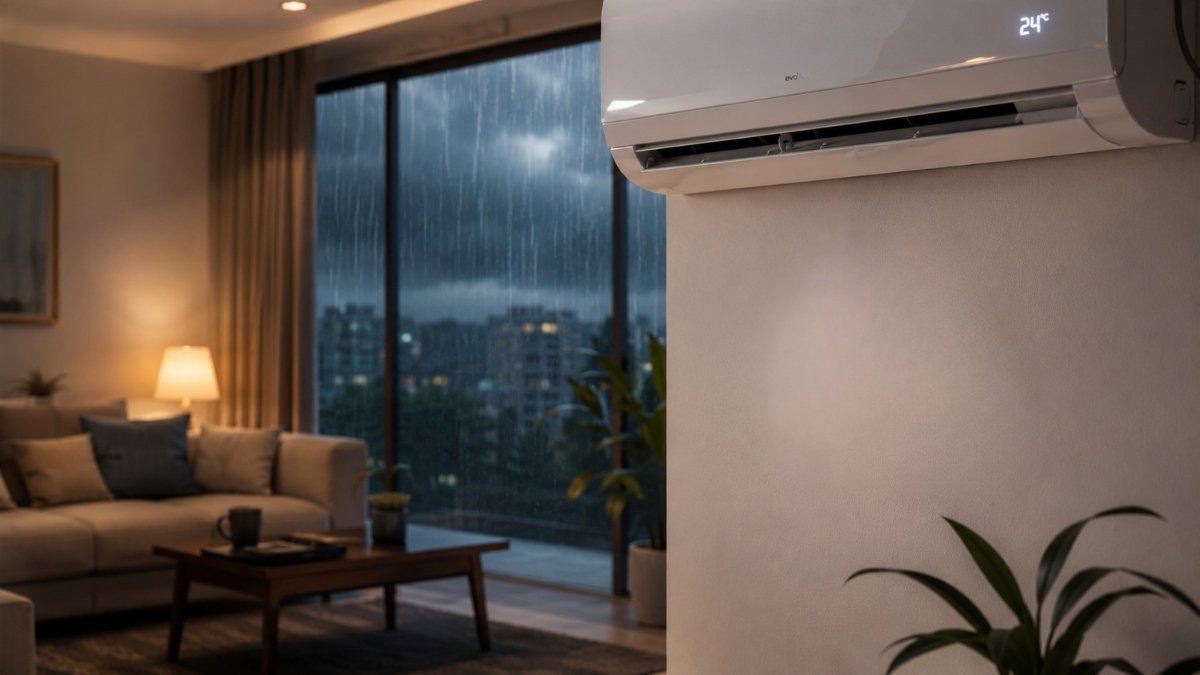
Air conditioners are a good example. The compressor inside works under heavy electrical load, and voltage drops can force it to work harder than designed.
Large refrigerators also benefit from a stable voltage, especially in areas with frequent voltage fluctuations.
Home theatre systems and expensive televisions are another case. These devices contain sensitive electronics that may not tolerate sudden spikes when power is restored after an outage.
In homes with an inconsistent power supply, protecting these appliances is often worth the small extra investment.
A Shift Toward Whole-Home Protection
Interestingly, many homeowners are moving away from protecting appliances one by one.
Think about it. A voltage spike doesn’t target a single device. It travels through the entire electrical line entering your home.
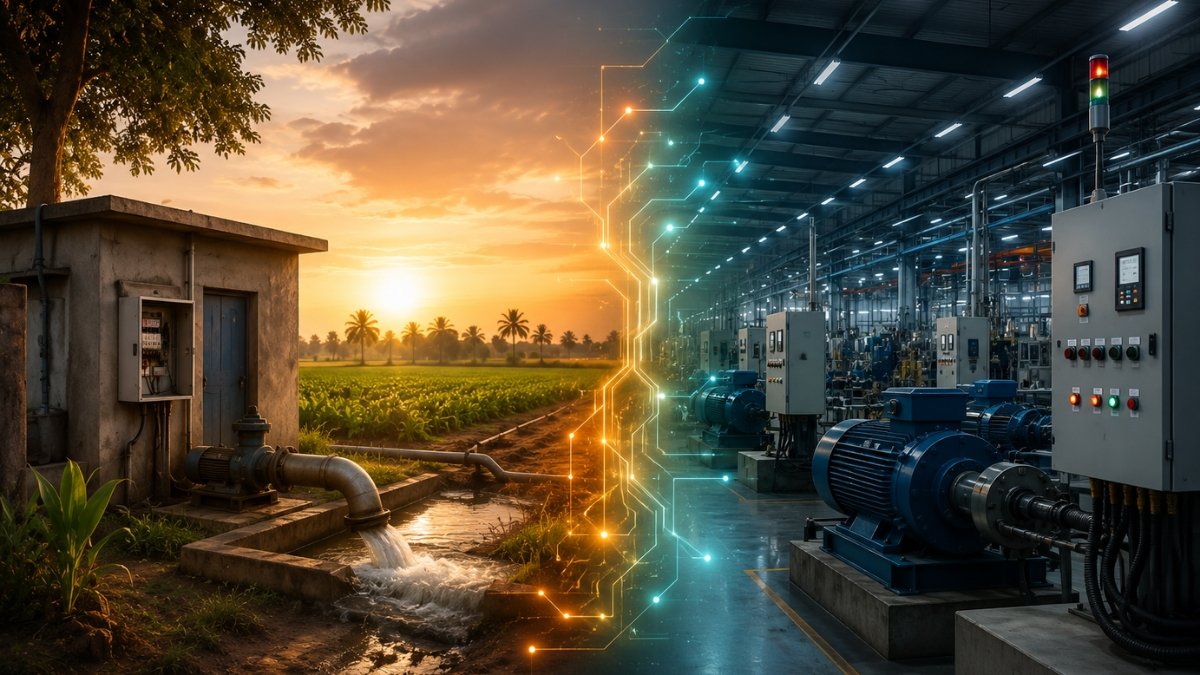
That’s why electrical protection today is slowly shifting toward whole-home solutions instead of individual stabilizers scattered across rooms.
These systems monitor incoming power and help manage fluctuations before electricity even reaches appliances.
It’s a simpler setup and often more reliable in the long run.
How Evolve Helps Simplify Appliance Protection
This is exactly the thinking behind the protection solutions offered by Evolve.
Instead of adding separate stabilizers everywhere, Evolve focuses on protecting the electrical environment of the home itself.
When incoming power is stabilized and monitored properly, appliances naturally operate under better conditions.
That means fewer electrical shocks to sensitive electronics, less stress on motors and compressors, and a lower chance of unexpected failures.
For homeowners, the biggest benefit is simple: appliances last longer and perform the way they’re supposed to.
So, Do You Need a Stabilizer for Every Appliance?
Not really.
Technology has improved enough that many appliances already handle moderate voltage changes on their own.
But unstable electricity hasn’t disappeared. In areas with frequent fluctuations, some level of protection remains advisable, especially for expensive or heavy-duty appliances.
The smarter approach today isn’t automatically adding stabilizers everywhere. It’s understanding how electricity behaves in your home and choosing the right protection strategy.
If you’re exploring better ways to safeguard your appliances from voltage fluctuations, it may be worth taking a closer look at Evolve’s protection solutions and seeing what fits your setup best.